Honour of Annaly - Feudal Principality & Seignory Est. 1172


|

**The Clans and Kingdoms of Teffia County Longford and Principality of AnnalyA Historical Essay on the Rulers, Dynasties, and Ancient Peoples of Ireland’s Central Heartland** The region encompassing Teffia (Teathbha), County Longford, and the ancient kingdom of Annaly (Anghaile) lies at the very center of Ireland—geographically, politically, and spiritually. From the earliest mythological ages through the arrival of Christianity, the rise of the High Kings of Meath, the O’Farrell princes, and eventually the Norman palatine lords, this land has been a cradle of sovereignty, culture, and continuity unmatched elsewhere on the island. The dynasties and clans who ruled here shaped Irish history at the highest levels, and their names echo through annals, genealogies, and medieval literature. This essay explores the clans and rulers of Teffia and Annaly across three eras: I. The Ancient Foundations: From the First Peoples to Early Gaelic KingsLong before written history, the region that would become Teffia and Annaly was home to diverse prehistoric peoples: The Pre-Gaelic TribesArchaeology confirms settlement by:
These early cultures left behind monuments, hillforts, and sacred sites. The most important for this region is Uisneach, the ancient “navel of Ireland,” only miles from Longford’s historic frontier. This sacred center served as a meeting place for the earliest kings of Ireland. Emergence of the Early Gaelic KingdomsBy the first millennium BC, Gaelic-speaking Milesian tribes had established hierarchical kingdoms. The central midlands became the heartland of early Irish sovereignty. The region that became Teffia and Annaly was governed by the descendants of:
These genealogical traditions would define the clans of the region for centuries. II. Teffia (Teathbha): Kingdom of the MidlandsTeffia was one of the earliest Gaelic kingdoms, emerging before the Christian era. Its territory roughly corresponds to modern Westmeath and Longford, extending from Tara westward to the Shannon. The Rulers of TeffiaTeffia was traditionally ruled by the Cenél Maine, descendants of:
The Cenél Maine divided into powerful clans, including: Important Clans of Teffia
Teffia was strategically important—it formed the western frontier of the Kingdom of Meath, and thus of the Irish High Kingship centered at Tara. III. Annaly (Anghaile): A Kingdom of the O’Farrell PrincesBy the 10th–11th centuries, the territory of Annaly emerged as a distinct kingdom within Teffia. Its name derives from Aonghus (Anghaile), an early chieftain whose descendants became the ruling dynasty. The O’Farrell (Ó Fearghail) DynastyFor over 700 years, the O’Farrells were the reigning princes of Annaly. The clan divided into two major branches:
Notable rulers include: Prominent O’Farrell Princes
The O’Farrells were famed for:
By the late medieval period they were regarded as one of the most powerful midlands dynasties. IV. The Extended Clans of Annaly and LongfordMany clans inhabited or served the kingdom of Annaly. Among the most important were: Major Families of Annaly
These families contributed to the defense, governance, and culture of the region. V. The Arrival of the Normans and the Continuity of Gaelic SovereigntyIn the 12th century, Henry II granted the Liberty of Meath to Hugh de Lacy, and later the Barony of Delvin—including Annaly lands—to the Nugents. Yet the Gaelic kingdom survived:
Prominent Norman rulers associated with Annaly include: Norman and Palatine Rulers
This dual system lasted centuries and shaped the modern identity of Longford. VI. The Kingdoms in the Later Medieval and Early Modern EraBy the 15th–17th centuries, the O’Farrells remained dominant in Annaly, while the Nugents held overlapping feudal rights. The region was known for:
Even into the early modern era, the O’Farrell chiefs continued to be recognized locally as the Princes of Annaly, and the Nugents retained their palatine honours granted by the Crown. VII. LegacyToday the clans of Teffia and Annaly remain central to the history of County Longford. Their rulers—both Gaelic and Norman—carried forward ancient kingship traditions stretching back thousands of years. The story of Annaly is the story of:
It is a microcosm of Irish history itself—mythic origins, heroic dynasties, medieval resilience, and a remarkable continuity of sovereignty in the very center of Ireland.
⭐ Chronology of Rulers of Annaly–Longford (c. 100 AD – 2025)A timeline of kings, princes, chiefs, palatine lords, and feudal holders over the Annaly–Teffia–Longford region. 📜 I. Prehistoric & Early Gaelic Rulers (c. 100 AD – 500 AD)Proto-historic kings associated with Teffia / Anghaile / central Meath–Longford.
No names survive with certainty for local rulers in Annaly during this period, but they belong to the Cenél Maine and early Uí Néill dynasties. 📜 II. Early Medieval Gaelic Kingdom Period (500–1000 AD)Formation of the Kingdom of Anghaile (Annaly).
This marks the establishment of the Kingdom of Annaly (Anghaile). 📜 III. High Medieval Annaly: O’Farrell Princes (1000–1500 AD)The height of Gaelic sovereignty in Longford. 10th–12th Century O’Farrell Kings
Norman Arrival & Continued O’Farrell Rule
14th–15th Century Annaly Princes
Throughout these centuries, Gaelic rule dominates Annaly despite Norman claims. 📜 IV. Nugent Palatine Lords of Annaly (1200–1700 AD)Parallel feudal jurisdiction established by Crown, overlapping with Gaelic kings. Norman & Tudor Feudal Holders
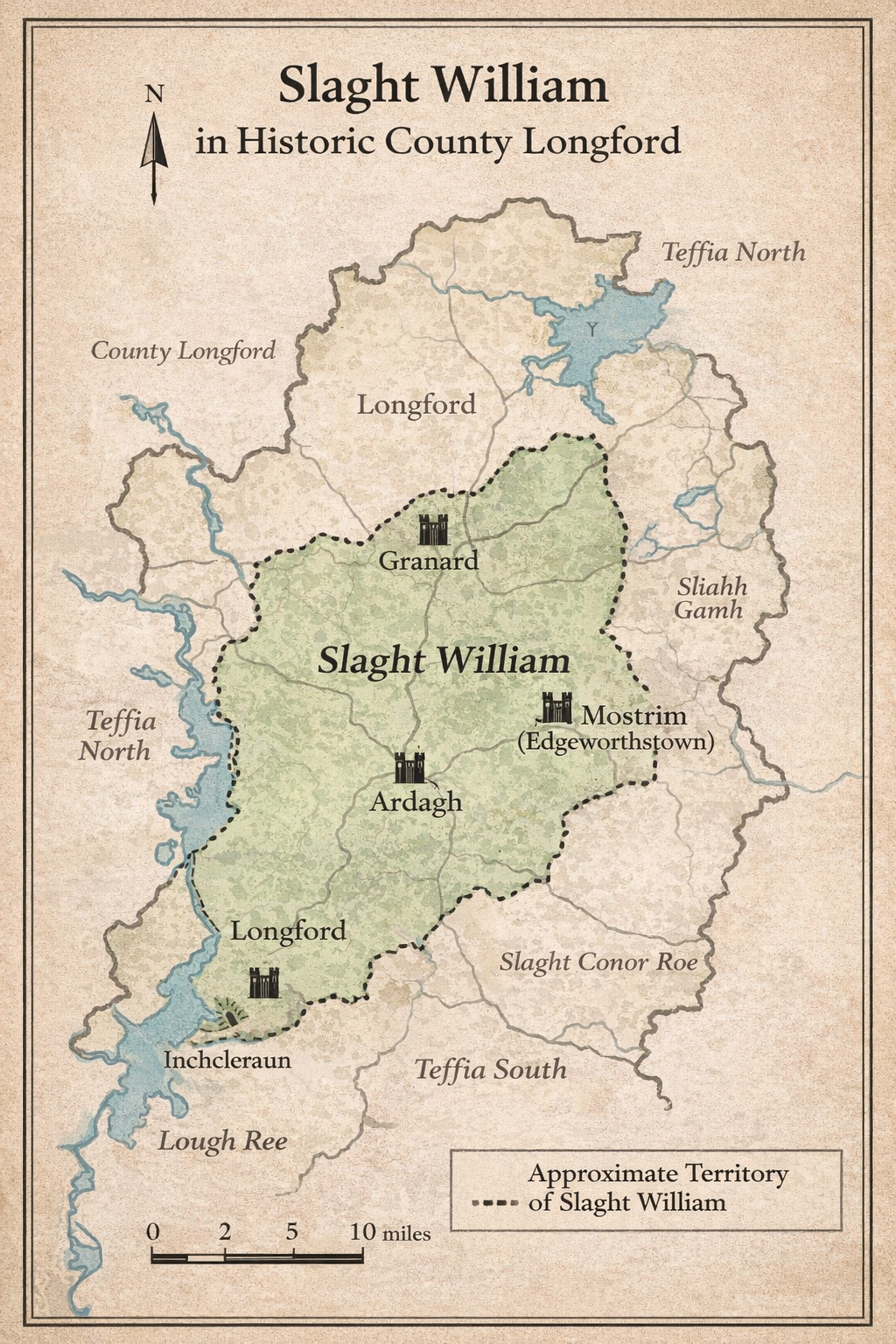
Approximate map of the Captainship of Slaught William Annaly. Keep in mind that Baron Delvin was granted Longford, it's key Monestaries, its Capital Seat, and its Market and Fair also.
This era establishes Annaly as a sub-palatinate of Meath under the Nugents, but the O’Farrells remain the local Gaelic princes. 📜 V. Late Gaelic Resistance & Collapse (1500–1650 AD)O’Farrell kingship declines; territory formally reorganized by the Crown.
📜 VI. The Nugent Earls & Modern Feudal Ownership (1700–2018)Feudal honour consolidates under the Nugents; later conveyed privately.
This marks the modern transfer of the territorial honour. 📜 VII. Modern Holder (2018–2025)Continuation of the honour in fee simple as a historical seignory.
This represents the current legal successor to the historical honour as recognized in private international law, property law, seignorial custom, and documented conveyances. ⭐ SummaryOver 2,000 years, rulers of Annaly–Longford include:
This provides a continuous, 2,000-year line of rulership over one of Ireland’s oldest kingdom territories.
George Mentz, Esq., Seigneur of Blondel, Lord of Stoborough, and Lord of the Bailiwick of Ennerdale, carries an ancestral heritage deeply rooted in the ancient Gaelic clans of Ireland and Scotland. His lineage reflects the enduring cultural and historical traditions of the Gaels—an indigenous people whose kinship networks, dialects, and warrior aristocracies shaped the Highlands, Islands, and western coasts of Ireland for over two millennia. Through his forebears, Mentz descends from the McConnell (Mac Domhnaill / Clan Donald), McMechan, McMahon, Fenton, and Fleming clans, each associated with territories that once formed the heartlands of the Gaelic world. These families emerged from regions now known as Counties Dublin, Mayo, Galway, Kerry, Donegal, Cork, and Clare—areas long recognized as strongholds of Gaelic identity, law, and custom. As a descendant of the Mac Domhnaill (McConnell) line—a branch of the famed Clan Donald—Mentz’s heritage connects to one of the most powerful dynastic houses of medieval Scotland and Ireland. The MacDonnells, like many Gaelic families, maintained lordships on both sides of the Irish Sea, blending Highland Scottish and Northern Irish identities. His ancestry also ties him to respected Scots-Irish families including Kerr, Douglas, Campbell, Stewart, Drummond, and Kirkpatrick, whose histories span the Hebrides, Ulster plantations, and the Scottish Borders. In Ireland, familial connections to Boyle, De Barry, Power, Darcy/D’Arcy, FitzGerald of Leixlip, FitzJohn Barry, MacCarthy Reagh, and Mac Fineere Donnel MacCarthy intertwine his lineage with both Norman-Irish and ancient Gaelic aristocracies. This multifaceted lineage reveals an extraordinary tapestry—Scottish, Irish, English, German, French, Italian, Egyptian, Sicilian, Anatolian, Dravidian, and Native American—demonstrating a depth of ancestral migration that crosses continents and civilizations. Yet, at its cultural center, Mentz’s heritage remains deeply indigenous to the Gaelic world of Ireland and Scotland, linking him directly to the clans, septs, and noble families who shaped the history, law, and identity of the Celtic West. Through this lineage, Counselor George Mentz, Esq. not only preserves the memory of his ancestors but also embodies the living continuity of Gaelic tradition—an inheritance rooted in clan leadership, territorial stewardship, and centuries-old customs that continue to resonate through his roles as Seigneur of Blondel and Lord of Ennerdale and Stoborough.
The Honour and Seignory of Annaly Teffia (Longford) stands out as a rarer, more layered hybrid compared to typical Scottish clan seignories or feudal baronies. Both systems blend Gaelic tribal traditions with Anglo-Norman feudal structures, but they differ in legal survival, scale, continuity, and modern ownership mechanics. Core Similarities
Key Differences
Summary Table of Distinctions
In essence, Annaly Teffia is more exceptional due to its kingdom-scale continuity and explicit modern private ownership bridging sovereign Gaelic roots with feudal law in a way few Scottish examples match. Scottish clan seignories emphasize personal chiefly dignity alongside (or separate from) purchasable baronial rights. Both exemplify how Gaelic and feudal traditions evolved into surviving private dignities in the British Isles. | |||||||||||||||||||||
About Longford Feudal Prince House of Annaly Teffia Rarest of All Noble Grants in European History Statutory Declaration by Earl Westmeath Kingdoms of County Longford Pedigree of Longford Annaly What is the Honor of Annaly The Seigneur Irish Roots of George Mentz Chronology of Teffia Annaly Lords Paramount Ireland Market & Fair Chief of The Annaly One of a Kind Title Lord Governor of Annaly Prince of Annaly Tuath Principality Feudal Kingdom Irish Princes before English Dukes & Barons Fons Honorum Seats of the Kingdoms Clans of Longford Region History Chronology of Annaly Longford Oldest Gaelic Kingdom Annaly Principality Nobility Law Normandy Hereditaments Captainship of Ireland Princes of Longford Holy Sites & Gods News Parliament 850 Years Grants in Six Baronies to Delvin Leadership Titles of Annaly Irish Free State 1172-1916 Feudal Princes 1556 Habsburg Grant and Princely Title Rathline and Cashel Kingdom The Last Irish Kingdom Landesherrschaft King Edward VI - Grant of Annaly Granard Spritual Rights of Honour of Annaly Principality of Cairbre-Gabhra House of Annaly Teffia 1400 Years Old Count of the Palatine of Meath Irish Property Law Manors Castles and Church Lands A Barony Explained Moiety of Barony of Delvin Nugents of Annaly Ireland Spiritual & Temporal Islands of The Honour of Annaly Longford Blood Dynastic Burke's Debrett's Peerage Recognitions Water Rights Annaly Property Law Writs to Parliament Irish Nobility Law Moiety of Ardagh Dual Grant from King Philip of Spain Rights of Lords & Barons Princes of Annaly Pedigree Abbeys of Longford Styles and Dignities Ireland Feudal Titles Versus France & Germany Austria Sovereign Title Succession Mediatized Prince of Ireland Grants to Delvin Lord of St. Brigit's Longford Abbey Est. 1578 Feudal Barons Water & Fishing Rights Clan Brehon Tribal Law Comparison Ancient Castles and Ruins Abbey Lara Honorifics and Designations Kingdom of Meath Feudal Westmeath Seneschal of Meath Lord of the Pale Irish Gods The Feudal System Baron Delvin Kings of Hy Niall Colmanians Irish Kingdoms Order of St. Columba Chief Captain Kings Forces Commissioners of the Peace Tenures Abolition Act 1662 - Rights to Sit in Parliament Contact Law of Ireland List of Townlands of Longford Annaly English Pale Court Barons Lordships of Granard Irish Feudal Law Datuk Seri Baliwick of Ennerdale Moneylagen Lord Baron Longford Baron de Delvyn Longford Map Lord Baron of Delvin Baron of Temple-Michael Baron of Annaly Kingdom Annaly Lord Conmaicne Baron Annaly Burke's and Debrett's Peerage Citations Order of Saint Patrick Baron Lerha Granard Baron AbbeyLara Baronies of Longford Princes of Conmhaícne Angaile or Muintir Angaile Baron Lisnanagh or Lissaghanedan Baron Moyashel Baron Rathline Baron Inchcleraun HOLY ISLAND Quaker Island Longoford CO Abbey of All Saints Kingdom of Uí Maine Baron Dungannon Baron Monilagan - Babington Lord Liserdawle Castle Baron Columbkille Kingdom of Breifne or Breny Baron Kilthorne Baron Granarde Count of Killasonna Baron Skryne Baron Cairbre-Gabhra AbbeyShrule Events Castle Site Map Disclaimer Irish Property Rights Indigeneous Clans Dictionary Maps Honorable Colonel Mentz Valuation of Principality & Barony of Annaly Longford Irish Noble Titles of Annaly Longford“The Princely House of Annaly–Teffia is a territorial and dynastic house of approximately 1,500 years’ antiquity, originating in the Gaelic kingship of Teffia and preserved through the continuous identity, property law, international law, and inheritance of its lands, irrespective of changes in political sovereignty.”
Feudal Baron of Longford Annaly - Baron Longford Delvin Lord Baron &
Freiherr of Longford Annaly Feudal Barony Principality Count Kingdom of Meath - Feudal Lord of the Fief
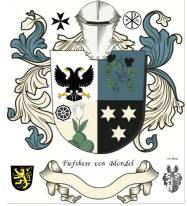
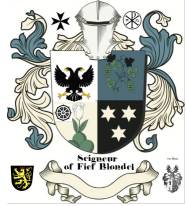
Blondel of the Nordic Channel Islands Guernsey Est. 1179 George Mentz
Bio -
George Mentz Noble Title -
George Mentz Ambassador - Order of the Genet
Knighthood Feudalherr - Fief Blondel von der Nordischen
Insel Guernsey Est. 1179 * New York Gazette ®
- Magazine of Wall Street - George
Mentz - George
Mentz - Aspen Commission - Ennerdale - Stoborough - ESG
Commission - Ethnic Lives Matter
- Chartered Financial Manager -
George Mentz
Economist -
George Mentz Ambassador -
George Mentz - George Mentz Celebrity -
George Mentz Speaker - George Mentz Audio Books - George Mentz Courses - George Mentz Celebrity Speaker Wealth
Management -
Counselor George Mentz Esq. - Seigneur Feif Blondel - Lord Baron
Longford Annaly Westmeath
www.BaronLongford.com * www.FiefBlondel.com |
Commissioner George Mentz - George
Mentz Law Professor - George
Mentz Economist
George Mentz News -
George Mentz Illuminati Historian -
George Mentz Net Worth
The Globe and Mail George Mentz
Get Certifications in Finance and Banking to Have Career Growth | AP News