Honour of Annaly - Feudal Principality & Seignory Est. 1172


|

⭐ Chronology of Rulers of Annaly–Longford (c. 100 AD – 2025)A timeline of kings, princes, chiefs, palatine lords, and feudal holders over the Annaly–Teffia–Longford region. 📜 I. Neolithic & Early Bronze Age (c. 3000–1500 BC)First agricultural peoples settle the central region of Ireland. Early Peoples
Social Structure
Importance to AnnalyThe region becomes part of Ireland’s earliest ritual-political center, setting the stage for later kingdoms. 📜 II. Proto-Celtic Arrival (c. 1500–1000 BC)Early Indo-European Celtic groups enter central Ireland. Characteristics
Relevance to AnnalyThese migrations create the first identifiable clan and tribe structures that later evolve into Teffia’s ruling lines. 📜 III. Fir Bolg Period (c. 1000–700 BC)First traditional “kingdom groups” of mythic Ireland. According to medieval Irish tradition, the Fir Bolg ruled Ireland before the arrival of the Tuatha Dé Danann. Relevance
📜 IV. Tuatha Dé Danann Period (c. 700–300 BC)An aristocratic, pre-Gaelic elite remembered in mythology. Key FiguresThese rulers were mythologized but represent real Bronze–Iron Age chieftain lines:
Relevance to Annaly
Thus, Annaly lies directly within the mythic heart of Irish kingship. 📜 V. Milesian Gaels / Early High Kings (c. 500–100 BC)Arrival of the Milesian Gaels creates the early Gaelic kingdom framework. First Gaelic Kings Associated with the Region
Why This MattersThe Milesians are the ancestors of the Uí Néill, who later dominate Teffia and Annaly. 📜 VI. Early Historical Era (100 BC – 400 AD)Formation of named clans and ancestors of Teffia’s ruling families. Key Proto-Historic Rulers
These figures directly lead to the rulers of Teffia and the O’Farrell dynasty later on. 📜 I. Prehistoric & Early Gaelic Rulers (c. 100 AD – 500 AD)Proto-historic kings associated with Teffia / Anghaile / central Meath–Longford.
No names survive with certainty for local rulers in Annaly during this period, but they belong to the Cenél Maine and early Uí Néill dynasties. 📜 II. Early Medieval Gaelic Kingdom Period (500–1000 AD)Formation of the Kingdom of Anghaile (Annaly).
This marks the establishment of the Kingdom of Annaly (Anghaile). 📜 III. High Medieval Annaly: O’Farrell Princes (1000–1500 AD)The height of Gaelic sovereignty in Longford. 10th–12th Century O’Farrell Kings
Norman Arrival & Continued O’Farrell Rule
14th–15th Century Annaly Princes
Throughout these centuries, Gaelic rule dominates Annaly despite Norman claims. 📜 IV. Nugent Palatine Lords of Annaly (1200–1700 AD)Parallel feudal jurisdiction established by Crown, overlapping with Gaelic kings. Norman & Tudor Feudal Holders
This era establishes Annaly as a sub-palatinate of Meath under the Nugents, but the O’Farrells remain the local Gaelic princes. 📜 V. Late Gaelic Resistance & Collapse (1500–1650 AD)O’Farrell kingship declines; territory formally reorganized by the Crown.
📜 VI. The Nugent Earls & Modern Feudal Ownership (1700–2018)Feudal honour consolidates under the Nugents; later conveyed privately.
This marks the modern transfer of the territorial honour. 📜 VII. Modern Holder (2018–2025)Continuation of the honour in fee simple as a historical seignory.
This represents the current legal successor to the historical honour as recognized in private international law, property law, seignorial custom, and documented conveyances. ⭐ SummaryOver 2,000 years, rulers of Annaly–Longford include:
This provides a continuous, 2,000-year line of rulership over one of Ireland’s oldest kingdom territories.
⭐ SUMMARY OF THE EXTENDED TIMELINE (3000 BC–2025 AD)Prehistoric Peoples (3000–1500 BC)Neolithic Iberian settlers → early tribal chieftains Proto-Celts & Fir Bolg (1500–700 BC)Early tribal kings Tuatha Dé Danann (700–300 BC)Mythic–historic rulers connected to Uisneach and Tara Milesian Gaels (500–100 BC)Founders of Gaelic kingship Early Historical Kings (100–400 AD)Line of Niall of the Nine Hostages emerges Formation of Teffia & Annaly (400–900 AD)Aonghus → Annaly O’Farrell Princes (900–1500 AD)A millennium of Gaelic rule Nugent Palatine Lords & Earls/Counts (1200–1700 AD)Feudal overlordship parallel to Gaelic kings Modern Honour (1700–2025)Nugents → Conveyance → George Mentz, Lord of the Honour of Annaly Longford
Annaly and Longford - 2 Names for the Same TerritoryAnnaly and Longford are effectively the same place, but the names represent two different eras of its history: the tribal/native era and the feudal/legal era. Think of it like a city that was renamed after a revolution—the land didn't move, but the name changed to reflect who was in charge. 1. Annaly (Anghaile): The Native NameFor over 500 years (roughly 1070 to 1586), the territory was known exclusively as Annaly.
The name Longford originally only referred to the O'Farrells' main castle/fortress. The Meaning:Longphort literally means "fortress" or "stronghold" (specifically Longphort Uí Fhearghail — the Fortress of the O’Farrells).
This is where your specific interest in the Nugent/Delvin grants gets interesting. Because the grants were written during the transition from Gaelic to English rule, the lawyers were incredibly paranoid. To make sure there was no "loophole," they used both names:
Longford-Westmeath is a legal "double-layer" found in your documents because it bridges the gap between an ancient sovereign country and a modern administrative county. Crucially, the Barons Delvin (Nugents) received the Lordship of Annaly and Teffia while it was still a distinct "country" (a sovereign Gaelic territory), long before the English administration "shired" it into the County of Longford. Here is the breakdown of why those names are hyphenated and how the sovereignty was transferred: 1. The Ancient Kingdom of Meath and TeffiaIn the era of the High Kings, the central province was Meath (Mide), which contained the sub-kingdom of Teffia (Teathbha). Annaly was the heart of Teffia. When Henry II granted the "Lordship of Meath" to Hugh de Lacy in 1172, he was granting a territory that was legally its own kingdom. 2. Receiving a "Country" (The Pre-1586 Status)When the Barons Delvin first received their grants for the Lordships of Annaly and Teffia, they were not receiving land in a "county." They were receiving the rights to a Gaelic Country.
3. The 1542 Partition: The Westmeath "Anchor"Under Henry VIII, the original Meath was split into Meath (East) and Westmeath.
4. The 1586 "Shiring" of LongfordIt wasn't until the reign of Elizabeth I that "Annaly" was formally shired and renamed County Longford. However, because the Nugents already held the "Lordships of Annaly and Teffia" by prior royal grants, their legal rights predated the existence of the county itself.
5. Modern Political Linkage and the "Parliament"The "Parliamentary" connection you noted—where Annaly had its own assembly for a millennium—is mirrored today. Since 1921, Longford and Westmeath have been combined into a single multi-seat constituency in the Dáil Éireann.
Summary: The Legal "Safety Net"In your documents, "Longford-Westmeath" isn't just a place—it's a chain of title. It confirms that the owner holds the rights to:
It effectively claimed the rights to the "Native Kingdom" regardless of which "legal folder" the government used over the last 500 years. |
About Longford Feudal Prince House of Annaly Teffia Rarest of All Noble Grants in European History Statutory Declaration by Earl Westmeath Kingdoms of County Longford Pedigree of Longford Annaly What is the Honor of Annaly The Seigneur Irish Roots of George Mentz Chronology of Teffia Annaly Lords Paramount Ireland Market & Fair Chief of The Annaly One of a Kind Title Lord Governor of Annaly Prince of Annaly Tuath Principality Feudal Kingdom Irish Princes before English Dukes & Barons Fons Honorum Seats of the Kingdoms Clans of Longford Region History Chronology of Annaly Longford Oldest Gaelic Kingdom Annaly Principality Nobility Law Normandy Hereditaments Captainship of Ireland Princes of Longford Holy Sites & Gods News Parliament 850 Years Grants in Six Baronies to Delvin Leadership Titles of Annaly Irish Free State 1172-1916 Feudal Princes 1556 Habsburg Grant and Princely Title Rathline and Cashel Kingdom The Last Irish Kingdom Landesherrschaft King Edward VI - Grant of Annaly Granard Spritual Rights of Honour of Annaly Principality of Cairbre-Gabhra House of Annaly Teffia 1400 Years Old Count of the Palatine of Meath Irish Property Law Manors Castles and Church Lands A Barony Explained Moiety of Barony of Delvin Nugents of Annaly Ireland Spiritual & Temporal Islands of The Honour of Annaly Longford Blood Dynastic Burke's Debrett's Peerage Recognitions Water Rights Annaly Property Law Writs to Parliament Irish Nobility Law Moiety of Ardagh Dual Grant from King Philip of Spain Rights of Lords & Barons Princes of Annaly Pedigree Abbeys of Longford Styles and Dignities Ireland Feudal Titles Versus France & Germany Austria Sovereign Title Succession Mediatized Prince of Ireland Grants to Delvin Lord of St. Brigit's Longford Abbey Est. 1578 Feudal Barons Water & Fishing Rights Clan Brehon Tribal Law Comparison Ancient Castles and Ruins Abbey Lara Honorifics and Designations Kingdom of Meath Feudal Westmeath Seneschal of Meath Lord of the Pale Irish Gods The Feudal System Baron Delvin Kings of Hy Niall Colmanians Irish Kingdoms Order of St. Columba Chief Captain Kings Forces Commissioners of the Peace Tenures Abolition Act 1662 - Rights to Sit in Parliament Contact Law of Ireland List of Townlands of Longford Annaly English Pale Court Barons Lordships of Granard Irish Feudal Law Datuk Seri Baliwick of Ennerdale Moneylagen Lord Baron Longford Baron de Delvyn Longford Map Lord Baron of Delvin Baron of Temple-Michael Baron of Annaly Kingdom Annaly Lord Conmaicne Baron Annaly Burke's and Debrett's Peerage Citations Order of Saint Patrick Baron Lerha Granard Baron AbbeyLara Baronies of Longford Princes of Conmhaícne Angaile or Muintir Angaile Baron Lisnanagh or Lissaghanedan Baron Moyashel Baron Rathline Baron Inchcleraun HOLY ISLAND Quaker Island Longoford CO Abbey of All Saints Kingdom of Uí Maine Baron Dungannon Baron Monilagan - Babington Lord Liserdawle Castle Baron Columbkille Kingdom of Breifne or Breny Baron Kilthorne Baron Granarde Count of Killasonna Baron Skryne Baron Cairbre-Gabhra AbbeyShrule Events Castle Site Map Disclaimer Irish Property Rights Indigeneous Clans Dictionary Maps Honorable Colonel Mentz Valuation of Principality & Barony of Annaly Longford Irish Noble Titles of Annaly Longford“The Princely House of Annaly–Teffia is a territorial and dynastic house of approximately 1,500 years’ antiquity, originating in the Gaelic kingship of Teffia and preserved through the continuous identity, property law, international law, and inheritance of its lands, irrespective of changes in political sovereignty.”
Feudal Baron of Longford Annaly - Baron Longford Delvin Lord Baron &
Freiherr of Longford Annaly Feudal Barony Principality Count Kingdom of Meath - Feudal Lord of the Fief
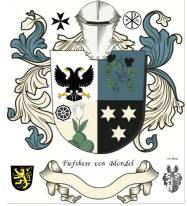
Blondel of the Nordic Channel Islands Guernsey Est. 1179 George Mentz
Bio -
George Mentz Noble Title -
George Mentz Ambassador - Order of the Genet
Knighthood Feudalherr - Fief Blondel von der Nordischen
Insel Guernsey Est. 1179 * New York Gazette ®
- Magazine of Wall Street - George
Mentz - George
Mentz - Aspen Commission - Ennerdale - Stoborough - ESG
Commission - Ethnic Lives Matter
- Chartered Financial Manager -
George Mentz
Economist -
George Mentz Ambassador -
George Mentz - George Mentz Celebrity -
George Mentz Speaker - George Mentz Audio Books - George Mentz Courses - George Mentz Celebrity Speaker Wealth
Management -
Counselor George Mentz Esq. - Seigneur Feif Blondel - Lord Baron
Longford Annaly Westmeath
www.BaronLongford.com * www.FiefBlondel.com |
Commissioner George Mentz - George
Mentz Law Professor - George
Mentz Economist
George Mentz News -
George Mentz Illuminati Historian -
George Mentz Net Worth
The Globe and Mail George Mentz
Get Certifications in Finance and Banking to Have Career Growth | AP News